
If you’re a landlord or property investor in the UK, understanding the minimum EPC rating requirements is no longer optional it’s a legal necessity. Energy efficiency regulations have tightened steadily over the past decade, and in 2026, compliance with EPC law is a critical part of letting property legally and safely.
This guide explains what EPC rating landlords must meet, what happens if a property falls below the standard, available exemptions, enforcement rules, and how to stay compliant without unnecessary costs.
Whether you manage a single buy-to-let or a large rental portfolio, this article breaks down EPC compliance clearly, practically, and accurately.
What Is an EPC and Why Does It Matter for Landlords?
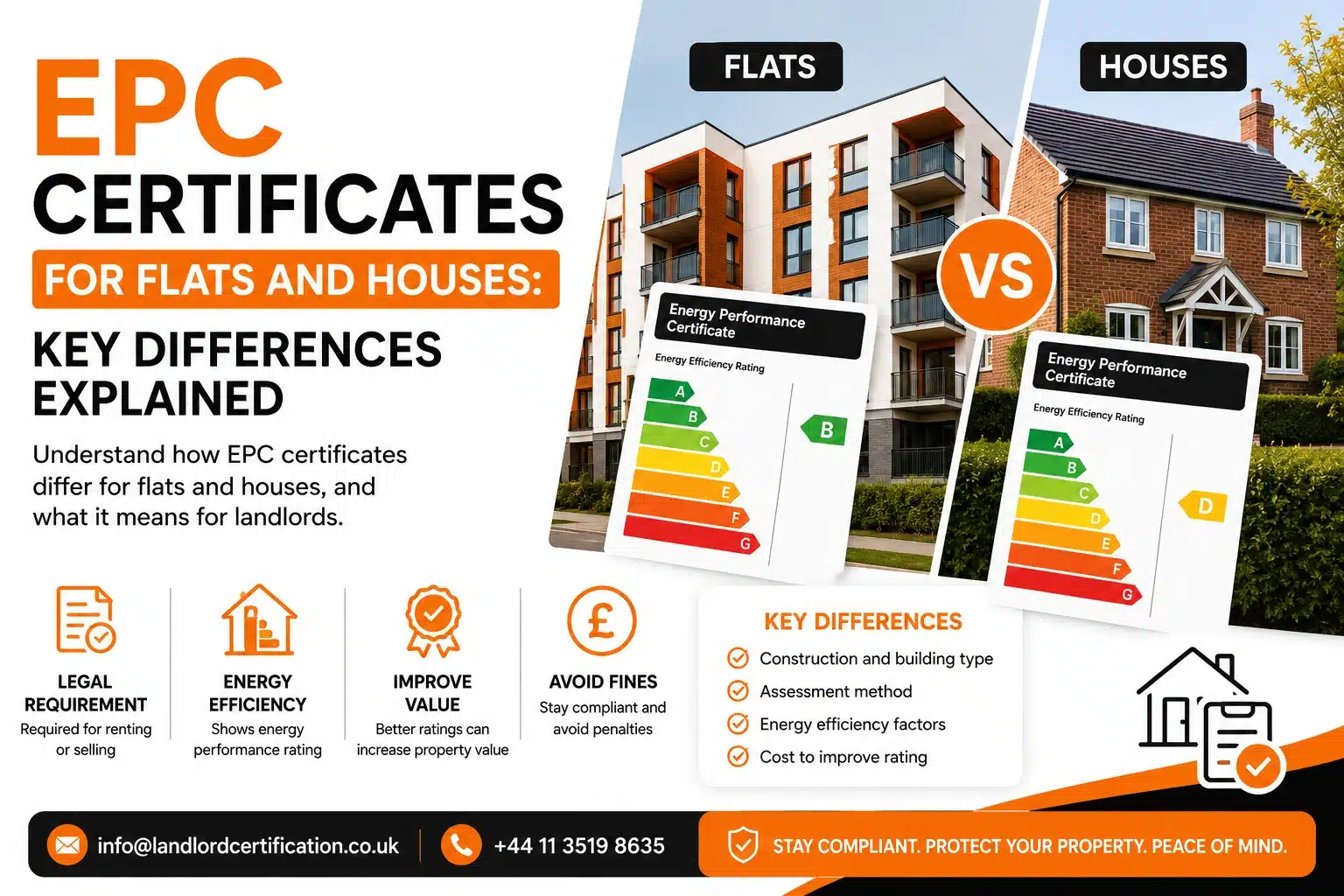
An Energy Performance Certificate (EPC) measures how energy-efficient a property is. Each property receives a rating from A (most efficient) to G (least efficient), based on factors such as insulation, heating systems, glazing, and energy controls.
For landlords, EPCs matter because:
They are legally required when renting a property
They determine whether a property can be lawfully let
They directly affect tenant demand, running costs, and future resale value
EPCs are valid for 10 years, but compliance obligations apply continuously, not just at the point of assessment.
What Is the Minimum EPC Rating for Landlords in 2026?
The Legal Minimum: EPC Rating E
As of 2026, landlords in England and Wales must ensure that any rented residential property has a minimum EPC rating of E.
This requirement applies to:
New tenancies
Renewed tenancies
Existing tenancies (since April 2020)
If a property has an EPC rating of F or G, it is considered sub-standard and cannot be legally rented, unless a valid exemption is registered.
EPC Regulations Explained: The Legal Framework
The minimum EPC rating rules fall under the Minimum Energy Efficiency Standards (MEES), introduced by the UK government to improve energy efficiency across the private rented sector.
Key Legal Points Landlords Must Know
EPC compliance is enforced by local authorities
Landlords are responsible for obtaining, maintaining, and presenting a valid EPC
Failure to comply can lead to financial penalties and enforcement action
Compliance is required even if tenants pay the energy bills
These regulations aim to reduce carbon emissions, improve tenant living standards, and lower national energy consumption.
Can Landlords Rent a Property with EPC Rating F or G?
In most cases, no.
Properties rated F or G are legally classed as energy inefficient. Renting them without a registered exemption is unlawful.
Landlords must either:
Improve the property to at least EPC E, or
Register a valid exemption on the PRS Exemptions Register
Ignoring this obligation can lead to fines and restrictions on future lettings.
What Happens If an EPC Rating Is Below E?
If your rental property has an EPC rating below E, several consequences apply:
❌ You Cannot Lawfully Let the Property
Marketing or renting a non-compliant property is prohibited.
💷 Financial Penalties
Local authorities can issue fines for EPC non-compliance, which may increase for repeated breaches.
📋 Enforcement Notices
You may be required to carry out specific improvements within a fixed timeframe.
🏚 Reduced Property Value
Low EPC ratings negatively affect rental demand and resale prices.
For landlords, EPC compliance is no longer just regulatory it’s a financial and operational necessity.
EPC Compliance for Rental Properties: Who Is Responsible?
The landlord is always legally responsible for EPC compliance, even if:
A managing agent handles the tenancy
The tenant pays utility bills
The property is let unfurnished
Agents can assist, but legal liability remains with the property owner.
EPC Exemptions for Landlords: When Do They Apply?
Some properties may qualify for a legal EPC exemption, but exemptions are not automatic.
Common EPC Exemption Reasons
Required improvements exceed the £3,500 cost cap
Recommended measures would devalue the property
Necessary consent cannot be obtained (e.g. listed buildings, freeholders)
Temporary exemptions for new landlords
All exemptions must be:
Registered officially
Supported by evidence
Renewed every 5 years
Failure to register an exemption correctly still counts as non-compliance.
EPC Rating Requirements: England vs Wales vs Scotland
England & Wales
Minimum EPC rating: E
Enforced by local authorities
Governed by MEES regulations
Scotland
Separate EPC framework
Different enforcement timelines and standards
Landlords should seek Scotland-specific guidance
This article applies primarily to England and Wales.
EPC Penalties and Enforcement in 2026
Local councils are responsible for enforcing EPC regulations. They can issue penalties for:
Renting a property below EPC E
Failing to provide a valid EPC
Providing false exemption information
Penalties may include:
Financial fines
Public listing of non-compliant landlords
Restrictions on future lettings
EPC enforcement has increased in recent years as councils prioritise housing standards and sustainability goals.
EPC Improvements: What Landlords Should Focus On
If your property falls below EPC E, improvement measures are often straightforward and cost-effective.
Common EPC Improvement Measures
Loft or cavity wall insulation
Upgrading inefficient boilers
Installing modern heating controls
Improving glazing or draught-proofing
Energy-efficient lighting
Many properties can move from F or G to E with relatively modest investment.
Improving beyond E (to D or C) can further:
Increase rental appeal
Reduce void periods
Future-proof against expected regulatory changes
Will the Minimum EPC Rating Increase After 2026?
The UK government has consulted on raising the minimum EPC requirement to C, though implementation timelines remain subject to review.
What’s clear:
Energy efficiency standards are moving upwards
Properties already upgraded face lower future compliance costs
Delaying improvements increases long-term risk
Forward-thinking landlords are already targeting EPC C voluntarily.
When Do You Need to Renew or Update an EPC?
You need a new EPC when:
The current certificate expires (after 10 years)
Significant energy improvements are made
A property changes use or configuration
Updating an EPC after improvements ensures:
Accurate compliance status
Better market positioning
Stronger legal protection
Practical EPC Compliance Checklist for Landlords
To stay compliant in 2026:
✔ Check your property’s current EPC rating
✔ Ensure rating is E or above
✔ Register exemptions if applicable
✔ Keep EPC documentation accessible
✔ Monitor regulatory updates
✔ Plan future improvements strategically
This proactive approach prevents penalties and protects rental income.
Why EPC Compliance Is More Than a Legal Requirement
Meeting EPC minimum standards isn’t just about avoiding fines. Energy-efficient properties:
Attract higher-quality tenants
Experience fewer void periods
Reduce energy-related complaints
Hold stronger long-term value
Align with sustainability goals
In competitive rental markets, EPC performance increasingly influences tenant choice.
Final Thoughts: EPC Law for Landlords in 2026
In 2026, EPC compliance is a core responsibility for every landlord in the UK. The legal minimum remains E, but expectations are rising, enforcement is tightening, and tenants are becoming more energy-conscious.
Landlords who understand EPC regulations, address inefficiencies early, and plan improvements strategically will remain compliant, competitive, and protected against future regulatory changes.
If you’re unsure about your property’s EPC status, exemptions, or improvement priorities, reviewing your current certificate carefully is the smartest first step.