
Renting out a property in the UK comes with serious legal responsibilities. Get them wrong and you could face fines up to £30,000, prosecution, or be unable to let your property at all. The rules changed again in 2026, so even experienced landlords need to check their compliance status.
This blog covers the checklist of every certificate and safety requirement UK landlords must meet in 2026, whether you manage a single buy-to-let or a large portfolio across London.
What Certificates Does a Landlord Need in the UK?
At minimum, every private landlord in England must hold these three certificates before letting a residential property:
| Certificate / Requirement | Renewal Time |
|---|---|
| Gas Safety Certificate (CP12) | Every 12 months |
| Electrical Installation Condition Report (EICR) | Every 5 years (or sooner if the report recommends it) |
| Energy Performance Certificate (EPC) | Valid for 10 years |
| Fire Risk Assessment | No fixed legal interval — best practice is annually, or whenever there is a significant change to property layout or occupancy |
| Portable Appliance Test (PAT) | Annually for most rental properties |
| Smoke and Carbon Monoxide Alarms | Tested at the start of every tenancy; repair or replace immediately when informed of a fault |
If you rent out a House in Multiple Occupation (HMO), you also need a fire risk assessment under the Regulatory Reform (Fire Safety) Order 2005. Some local councils require additional HMO licensing on top.

Your Complete Landlord Safety Requirements Checklist
Gas Safety Certificate (CP12)
A Gas Safety Certificate is a legal inspection of all gas appliances, fittings, and flues in your rental property. Every landlord letting a property with gas appliances needs one, and it must be renewed every 12 months. Only a Gas Safe registered engineer can issue it.
Fines are unlimited, and in serious cases landlords have received prison sentences. Your property insurance may also become void.
The most common compliance failure we see is landlords missing the renewal date because they forgot to calendar it. Set a reminder 60 days before expiry. At Landlord Certification, we send automatic renewal reminders to every client so this never happens.
Electrical Installation Condition Report (EICR)
An EICR Certificate is a detailed inspection of your property’s fixed electrical installations: wiring, fuse boxes, sockets, and light fittings. Every landlord in England needs one. This became mandatory in June 2020 and remains a legal requirement in 2026.
It must be renewed every 5 years, or sooner if the report recommends it. A qualified and competent electrician must carry it out. For rental properties, most councils and letting agents now expect the engineer to be registered with a recognised body such as NICEIC or NAPIT.
The report classifies issues into codes. Code C1 (danger present) means immediate action is required. Code C2 (potentially dangerous) means urgent remedial work is needed. Code C3 (improvement recommended) is not immediately dangerous but should be addressed. FI (further investigation required) means the electrician needs to look deeper.
Is EICR mandatory? Yes. Since 1 July 2020, it has been a legal requirement for all new tenancies in England. Since 1 April 2021, it applies to existing tenancies too. There are no exemptions for long-term landlords or small portfolios.
Energy Performance Certificate (EPC)
An Energy Performance Certificate rates your property’s energy efficiency from A (best) to G (worst). Every landlord marketing a property for rent or sale needs one. It is valid for 10 years.
Since April 2020, rental properties must achieve at least an E rating. You cannot legally let a property rated F or G unless you have a valid exemption registered on the PRS Exemptions Register.
Without one, you cannot market the property. Trading Standards can issue penalties of up to £5,000 per property.
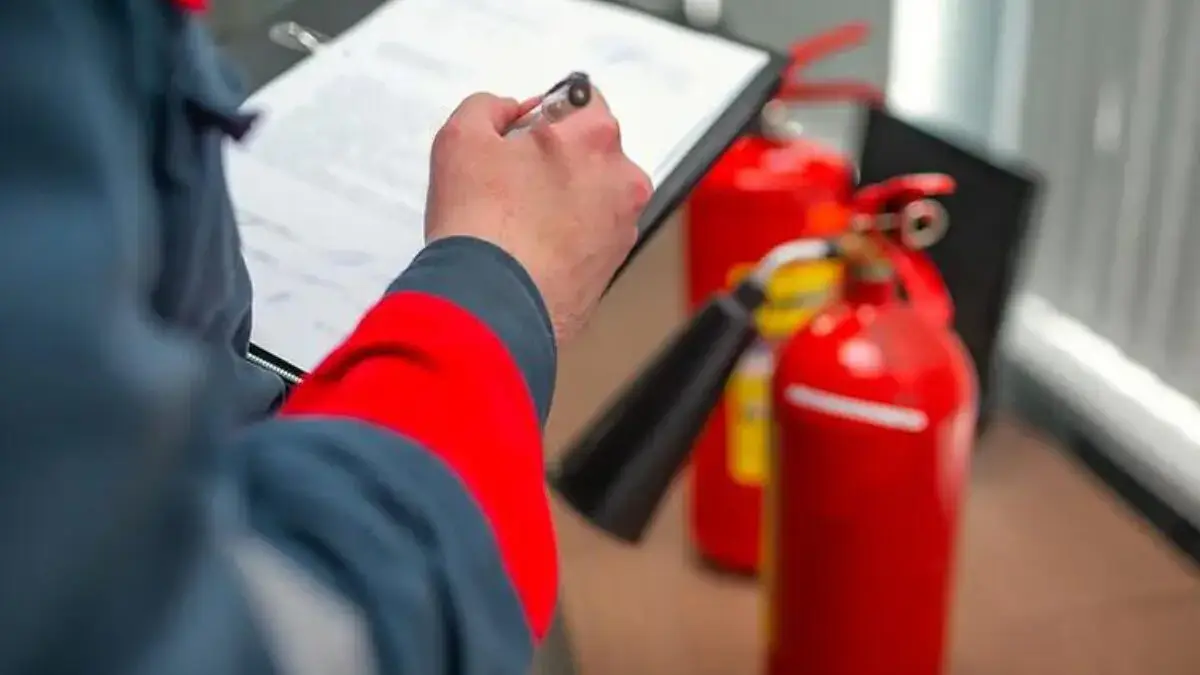
Fire Risk Assessment
A fire risk assessment is a systematic evaluation of fire hazards in your property and the steps needed to reduce them.
All HMO landlords need one, mandatory under the Regulatory Reform (Fire Safety) Order 2005. Landlords of higher-risk buildings, typically those above 11 metres or with multiple dwellings, also need one. Commercial landlords need one too.
There is no fixed legal interval, but best practice is annually or whenever there is a significant change to the property layout or occupancy.
What changed in 2026: Updated guidance under the Building Safety Act 2022 extended the definition of a “higher-risk building” and tightened certification renewal cycles for properties above 11 metres. If your property falls into this category, your fire risk assessment must now reflect the current occupancy and room layout more precisely than before.
The most common failure we identify is fire risk assessments for HMO properties that do not reflect the current occupancy or room layout. If you have converted a living room into an extra bedroom, your fire risk assessment needs updating immediately.
Portable Appliance Test (PAT)
PAT testing covers portable electrical appliances you provide with the property: kettles, toasters, lamps, and so on. While not a standalone legal requirement, landlords have a duty of care to ensure all electrical equipment provided is safe. PAT testing is the standard way to demonstrate this.
For most rental properties, annual testing is the norm.
Smoke and Carbon Monoxide Alarms
You need at least one smoke alarm on every storey of the property. You also need a carbon monoxide alarm in any room with a solid fuel burning appliance.
The landlord must install, test, and maintain these alarms. You cannot pass this responsibility to tenants.
What changed in 2026: The Smoke and Carbon Monoxide Alarm (Amendment) Regulations 2023 extended requirements. All landlords must now repair or replace faulty alarms as soon as they are informed of a defect.
Legal Requirements for Landlords UK: The Full Picture
Beyond certificates, UK landlords must also meet these ongoing obligations:
Right to Rent Checks. Verify that every tenant aged 18 or over has the legal right to rent in England. Keep copies of documents and records of when checks were completed.
Deposit Protection. Tenant deposits must be protected in a government-approved scheme within 30 days of receipt. You must also provide the tenant with prescribed information about the scheme.
How to Rent Guide. Provide the latest version of the government’s “How to Rent” checklist at the start of the tenancy.
Property Repairs. Maintain the structure and exterior of the property, including drains, gutters, and external pipes. Keep installations for water, gas, electricity, and sanitation in good repair.
Fitness for Human Habitation. Under the Homes (Fitness for Human Habitation) Act 2018, properties must be free from hazards including damp, mould, excess cold, and structural defects.
What Changed in 2026? Updated Regulations Landlords Must Know
Building Safety Act 2022: Higher-Risk Buildings. From January 2026, updated guidance extended the definition of a “higher-risk building” and tightened certification renewal cycles for properties above 11 metres. If you own a flat in a building over this height, your compliance obligations have increased. You now face overlapping inspection schedules that are easy to miss without proper management.
EICR Format Requirements. Several London boroughs now reject EICR reports that do not meet updated formatting standards. National providers often overlook these local requirements. Always check that your engineer understands your specific borough’s submission portal.
Fire Safety for HMOs. Council enforcement of HMO fire safety has intensified. Fire risk assessments must now reflect actual occupancy, not just the original property layout.
Digital Record Keeping. While not yet a legal requirement, an increasing number of councils and letting platforms now expect digital copies of all certificates. Storing certificates digitally for at least 10 years is now best practice.
Frequently Asked Questions
Is EICR mandatory for all landlords?
Yes. From July 2020 for new tenancies and April 2021 for existing tenancies, every landlord in England must have a valid EICR. There are no exceptions based on property size, portfolio size, or tenancy length.
How much does a landlord certificate cost in London?
Costs vary by property size and certificate type. An EICR typically starts from around £150 for a one-bedroom flat. Gas Safety Certificates usually start from around £60. Many providers offer portfolio discounts if you need multiple certificates.
How quickly can I get a landlord certificate?
With a local provider, you can often book an inspection within 24 to 48 hours. Certificates are usually emailed the same day the inspection is completed.
What if my property fails the EICR?
You must complete remedial work within 28 days (or sooner for C1/C2 issues). Once the work is done, a follow-up inspection confirms compliance. You cannot let the property to new tenants until C1 and C2 issues are resolved.
Get Your Landlord Safety Certificates in London
If you need to book an inspection or check your compliance status, our NICEIC and Gas Safe registered engineers cover all 32 London boroughs. We handle EICR, Gas Safety, EPC, Fire Risk Assessment, and full HMO compliance under one roof.
Every certificate is stored digitally for 10 years and delivered to your inbox. We also send automatic renewal reminders so you never miss a deadline. Our team has completed more than 5,000 landlord safety certificate inspections annually since 2014, and we guarantee a 24-hour turnaround backed by a 50% refund promise.
Whether you need a one-off landlord safety inspection or full property compliance management, we make it simple to obtain every safety certificate for landlords in London. Book your landlord certificate today and keep your property safe, compliant, and rental-ready.