Fire alarm safety stands as one of the most critical responsibilities for landlords and property managers across the UK. Understanding how often should fire alarms be tested in rental properties isn’t just about ticking compliance boxes it’s about protecting lives and meeting your legal obligations. This comprehensive guide explores fire alarm testing frequency for landlords, inspection schedules, and best practices to keep your rental properties safe and compliant.
What Are Fire Alarms and Their Role in Rental Property Safety?
Fire alarms serve as the first line of defense against one of the most devastating threats to rental properties. These life-saving devices detect smoke, heat, or fire in their early stages, providing crucial warning time for occupants to evacuate safely.
In rental properties, fire alarm systems vary in complexity. Basic installations might include battery-operated smoke alarms on each floor, while larger properties or Houses in Multiple Occupation (HMOs) require sophisticated interconnected systems with multiple detection points. Regardless of complexity, every fire alarm system must function reliably when needed most.
Fire safety regulations rental properties mandate that landlords provide appropriate fire detection systems. The specific requirements depend on property type, size, and occupancy. Standard residential lettings typically need smoke alarms on each storey, while HMOs face stricter requirements for mains-powered, interconnected alarm systems meeting higher safety standards.
How Often Should Fire Alarms Be Tested in Rental Properties?
The question of fire alarm testing frequency landlords must follow depends on several factors, including property type and alarm system complexity. Here’s what you need to know about fire alarm testing rental properties UK regulations.
Weekly Testing Requirements
For properties with more complex fire alarm systems particularly HMOs and larger residential buildings BS 5839 fire alarm testing standards recommend weekly testing. This involves activating a different manual call point each week to verify the system responds correctly. The test should be brief (typically under one minute) to help occupants distinguish between routine tests and genuine emergencies.
Monthly Visual Checks
Landlords should conduct monthly visual inspections of all fire alarm components. These fire alarm visual checks landlords perform should include examining detectors for damage, verifying indicator lights function correctly, and ensuring no physical obstructions block detection capabilities.
Six-Monthly Professional Servicing
Fire alarm system inspection schedule requirements specify that professional servicing must occur at least every six months. During these visits, qualified technicians conduct comprehensive testing of all system components, clean detectors, check battery backup systems, and verify proper operation. This six-monthly interval aligns with fire alarm testing requirements UK guidance and ensures compliance with fire safety regulations rental properties.
Annual Comprehensive Testing
At minimum, every automatic fire detection device should undergo functional testing annually. This includes verifying that smoke detectors, heat detectors, and other sensors activate correctly and communicate with control panels as designed.
Start of Tenancy Testing
Perhaps the most critical requirement for landlord fire alarm responsibilities UK: you must test all smoke and carbon monoxide alarms at the start of every new tenancy. This legal obligation ensures tenants move into properties with fully operational safety equipment. Many landlords document this testing in the inventory, having tenants sign to confirm alarms were tested and working on move-in day.
Different Requirements for Different Alarm Types
Fire alarm testing frequency varies by alarm type:
Smoke Alarms in Standard Rental Properties: Battery-operated smoke alarms should be tested monthly, with fire alarm battery replacement frequency following manufacturer guidelines (typically annually or when low-battery warnings activate). Mains-powered alarms still require monthly testing even without battery concerns.
Heat Alarms: Kitchen heat alarms follow the same testing schedule as smoke alarms, though their positioning and purpose differ. Heat alarms detect rapid temperature increases rather than smoke, making them ideal for kitchens where smoke alarms might trigger false alerts.
Carbon Monoxide Alarm Rental Properties: Carbon monoxide detectors require monthly testing and must be present in any room containing fixed combustion appliances like gas boilers or wood-burning stoves. These life-saving devices detect the odorless, colorless gas that can prove fatal within minutes.
Landlord Responsibilities for Fire Alarm Testing and Maintenance
Understanding landlord fire alarm responsibilities UK goes beyond simply installing alarms. Your duties encompass installation, testing, maintenance, and documentation all critical for fire safety compliance rental properties.
Legal Obligations Under UK Regulations
The Smoke and Carbon Monoxide Alarm (England) Regulations 2015 (amended in 2022) establish clear requirements. Landlords must install at least one smoke alarm on every storey used as living accommodation and carbon monoxide alarms in any room with fixed combustion appliances. Similar regulations apply across Scotland, Wales, and Northern Ireland, with Scotland requiring interlinked alarms throughout properties.
The Regulatory Reform (Fire Safety) Order 2005 places broader fire safety duties on responsible persons (typically landlords), requiring them to conduct fire risk assessments and maintain fire safety equipment in efficient working order.
Testing at Tenancy Start
You must ensure all alarms function correctly when each new tenancy begins. This non-negotiable requirement protects tenants from day one and provides clear evidence of compliance should questions arise later.
Repair and Replacement Duties
When tenants report faulty alarms, landlords must arrange repairs or replacements “as soon as reasonably practicable.” While tenants bear responsibility for routine testing during tenancies and battery replacement in battery-operated units, fixing malfunctioning equipment falls squarely on landlords’ shoulders.
Documentation Requirements
Fire alarm maintenance landlords conduct must be thoroughly documented. Maintain records showing:
- Installation dates for all alarms
- Testing dates and results
- Servicing and maintenance history
- Battery replacement dates
- Repair or replacement actions
These records prove invaluable during local authority inspections, insurance claims, or legal proceedings. For HMOs and larger properties, maintaining a fire safety log book is highly recommended and often required.
HMO-Specific Requirements
Houses in Multiple Occupation face enhanced fire safety compliance rental properties standards. HMO landlords typically must provide:
- Grade A or Grade D fire alarm systems (as defined by BS 5839-6)
- Interconnected, mains-powered smoke and heat alarms
- Emergency lighting in common areas
- Fire doors with appropriate ratings
- Regular fire drills and evacuation procedures
- Clear fire safety information for all occupants
Practical Fire Alarm Testing Tips for Landlords and Property Managers
Implementing effective fire alarm inspection rental properties procedures doesn’t need to be complicated. Here are practical strategies to maintain compliance and safety.
Conducting Visual Checks
Regular fire alarm visual checks landlords perform should become routine. Look for:
- Physical damage to detectors or control panels
- Dust accumulation on sensors (which can impair detection)
- Proper indicator light function
- Secure mounting without loose fixtures
- Clear access without furniture or decorations blocking alarms
- No signs of tampering or removal
Testing Alarm Function
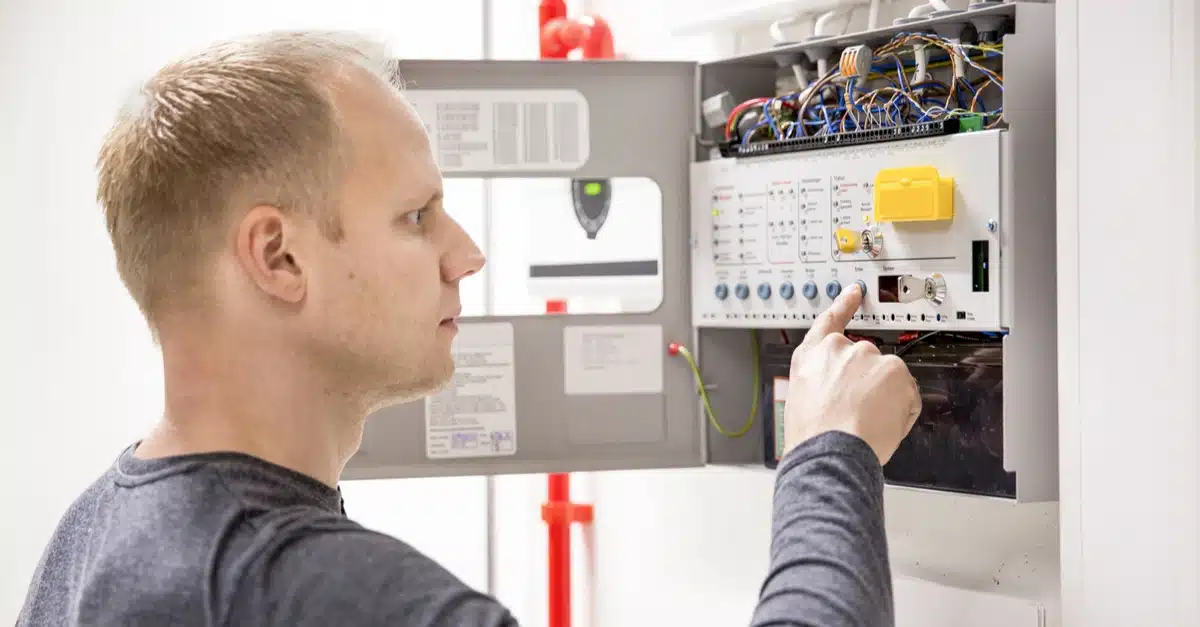
For basic smoke alarms, press and hold the test button for several seconds. The alarm should sound loudly and clearly. For interconnected systems, triggering one alarm should activate all connected units, confirming the linking system operates correctly.
In HMOs and properties with more complex systems, follow the weekly testing protocol by activating different manual call points in rotation, ensuring each gets tested regularly while maintaining systematic records.
Battery Replacement Strategy
Fire alarm battery replacement frequency matters significantly for battery-operated units. Replace batteries:
- Annually as preventive maintenance
- Immediately when low-battery warnings chirp
- Before each new tenancy begins
- After any alarm malfunction
Consider upgrading to sealed-battery alarms with 10-year lifespans, eliminating frequent battery changes while providing reliable protection throughout the alarm’s service life.
Creating Testing Schedules
Develop systematic testing schedules appropriate to your portfolio size. Small landlords with few properties might conduct monthly checks during routine property inspections. Larger portfolios benefit from digital property management systems tracking testing dates, sending automated reminders, and maintaining comprehensive compliance records.
Engaging Professional Services
While landlords can conduct basic testing, professional fire alarm system inspection schedule services provide expert verification. Fire safety specialists offer:
- Comprehensive system testing and certification
- Compliance verification against current standards
- Technical expertise for complex systems
- Maintenance and cleaning services
- Documentation supporting legal compliance
For HMOs and larger properties, professional servicing isn’t optional it’s mandatory every six months under fire alarm testing requirements UK guidance.
Consequences of Not Testing Fire Alarms On Time
Failing to meet fire alarm testing rental properties UK obligations carries serious consequences affecting safety, legal standing, and finances.
Safety Risks
The primary consequence of inadequate testing is devastating potential for loss of life. Fire fatalities in residential properties remain tragically common, with many deaths occurring because alarms failed to function when needed. A non-functional smoke alarm provides no warning, no escape time, and no second chances.
Beyond mortality, fire injuries cause life-altering trauma, while property damage can destroy tenants’ possessions and irreplaceable personal items. The emotional and psychological impact on survivors extends far beyond physical injuries.
Legal Consequences
Local housing authorities enforce smoke and carbon monoxide alarm regulations vigorously. When authorities identify non-compliance, they can:
- Serve remedial notices requiring corrective action within 28 days
- Impose fines up to £5,000 per breach
- Prosecute landlords for serious violations
- Issue prohibition notices preventing property occupation until compliance is achieved
Under the Regulatory Reform (Fire Safety) Order 2005, more serious fire safety breaches can result in unlimited fines or imprisonment up to two years in Crown Court proceedings.
Insurance Implications
Insurance companies may refuse claims or reduce payouts when fire damage occurs in properties with non-compliant or poorly maintained fire alarm systems. Policies typically require landlords to meet legal obligations, meaning non-compliance can void coverage precisely when you need it most.
Tenant Relations and Reputation
Tenants rightfully expect safe accommodation. Failing to maintain fire safety equipment damages trust, increases tenant turnover, and harms your reputation. In today’s connected world, poor safety practices can quickly become public knowledge through online reviews, affecting your ability to attract quality tenants.
Criminal Liability
In worst-case scenarios where fire safety negligence contributes to serious injury or death, landlords may face manslaughter charges. Courts take fire safety extremely seriously, and gross negligence resulting in fatalities can lead to criminal convictions and imprisonment.
How Professional Fire Alarm Inspection Services Help
Professional fire safety specialists provide invaluable support for fire safety compliance rental properties, particularly for landlords managing multiple properties or complex systems.
Expert Knowledge and Experience
Certified fire safety engineers understand the nuances of fire alarm testing requirements UK regulations, staying current with legislative changes and best practices. Their expertise ensures nothing gets overlooked during inspections.
Comprehensive System Testing
Professional services conduct thorough testing beyond basic functionality checks. They verify:
- Detector sensitivity and response times
- Control panel programming and operation
- Battery backup capacity and charging systems
- Sounder audibility throughout premises
- Interconnection reliability
- Compliance with BS 5839 standards
Maintenance and Cleaning
Professional servicing includes cleaning detectors (improving sensitivity and reducing false alarms), testing and replacing batteries, checking electrical connections, and identifying potential issues before they become failures.
Compliance Documentation
Perhaps most valuably, professional services provide comprehensive documentation certifying system compliance. These certificates prove essential during local authority inspections, insurance reviews, and property transactions.
Fire Risk Assessment Support
Many fire safety companies offer fire risk assessment rental property services, helping identify hazards, evaluate risks, and recommend improvements. These assessments prove particularly valuable for HMOs and larger properties where fire safety requirements become more complex.
Ongoing Support and Advice
Establishing relationships with fire safety professionals provides access to expert advice whenever questions arise. Whether you’re planning property modifications, responding to local authority concerns, or evaluating alarm system upgrades, professional guidance ensures confident decision-making.
Frequently Asked Questions
How often should landlords test fire alarms in standard rental properties?
Landlords must test all smoke and carbon monoxide alarms at the start of every new tenancy. For ongoing testing, monthly checks are recommended for standard properties. During tenancies, tenants typically assume responsibility for routine testing, but landlords must respond promptly to reports of faulty alarms.
What’s the difference between BS 5839-1 and BS 5839-6?
BS 5839-1 applies to fire alarm systems in non-domestic premises like offices and commercial buildings, while BS 5839-6 covers fire detection and alarm systems in domestic premises, including rental properties. BS 5839-6 is the relevant standard for most landlords.
Do I need professional fire alarm servicing for my rental property?
For HMOs and properties with complex alarm systems, professional servicing every six months is mandatory. For standard rental properties with simple smoke alarms, while not legally required, professional servicing provides peace of mind and ensures compliance with best practices.
What happens if tenants disconnect smoke alarms?
While tenants may be tempted to disconnect alarms due to false alerts (often from cooking), tampering creates serious safety and legal issues. Landlords should educate tenants about proper alarm function, consider relocating problematic alarms, or install heat alarms in kitchens where smoke alarms prove troublesome.
Can I use battery-operated smoke alarms in rental properties?
Yes, battery-operated smoke alarms complying with BS 5839-6 are acceptable for standard rental properties. However, HMOs typically require mains-powered, interconnected systems. Many experts recommend mains-powered alarms with battery backup even for standard properties, providing superior reliability.
What’s the penalty for not having working smoke alarms?
Local authorities can issue remedial notices requiring corrective action within 28 days. Failure to comply can result in fines up to £5,000 per breach. More serious violations under the Fire Safety Order can lead to unlimited fines or imprisonment.
How long do smoke alarms last?
Most smoke alarms have a 10-year lifespan. Manufacturers print expiration dates on units. Replace alarms at the end of their service life even if they still test successfully, as sensor sensitivity degrades over time.
Do I need carbon monoxide alarms in every room?
No. Carbon monoxide alarms are required only in rooms containing fixed combustion appliances (like gas boilers, oil heaters, or wood-burning stoves). However, installing additional CO alarms in sleeping areas provides extra protection for minimal cost.
Conclusion: Prioritize Timely Fire Alarm Testing for Rental Properties
Understanding how often should fire alarms be tested in rental properties forms the foundation of responsible property management. The answer isn’t one-size-fits-all—testing frequency depends on property type, alarm system complexity, and occupancy patterns. However, certain obligations apply universally: testing at tenancy start, ensuring professional servicing for complex systems, maintaining comprehensive records, and responding promptly to reported faults.
Fire safety compliance rental properties protects more than your legal position it safeguards lives. The few minutes spent testing alarms and maintaining systems pale in comparison to the devastating consequences of fire in properties with non-functional detection equipment.
As a landlord or property manager, you hold significant responsibility for tenant safety. Meeting fire alarm testing requirements UK regulations demonstrates your commitment to providing safe, habitable accommodation while protecting yourself from legal and financial consequences.
Take Action Today
Don’t wait for a local authority notice or, worse, a fire incident to address fire alarm testing. Review your current practices against the guidance in this article. Schedule professional inspections for properties needing them. Implement systematic testing schedules. Document everything meticulously.
For HMO landlords and those managing multiple properties, consider partnering with professional fire safety companies providing comprehensive testing, maintenance, and compliance support. The investment proves minimal compared to the peace of mind and legal protection it provides.
Remember: fire alarm testing isn’t just regulatory compliance it’s your duty to protect the people who call your properties home. Make fire safety a priority, test alarms regularly, and sleep soundly knowing you’ve taken every reasonable step to keep your tenants safe.
Need help ensuring your rental properties meet fire alarm testing requirements? Contact qualified fire safety professionals today for expert inspections, compliance certification, and peace of mind that your properties protect tenants while meeting all legal obligations.